18K Gold Plated UK 2026: Meaning & Is It Worth It?

What Is 18k Gold Plated Jewellery?
Everything you need to know about gold plating, PVD coating, how long it really lasts, and what makes the best gold-plated pieces worth every penny.
What Is 18k Gold Plated Jewellery, Really?
So you have spotted a gorgeous necklace labelled "18k gold plated" and now you are wondering what that actually means. You are not alone. It is one of the most searched jewellery questions in the UK, and most of the answers floating around online are either confusing or flat-out wrong. Let us set the record straight.
18k gold plated jewellery is made by bonding a layer of real 18-karat gold onto a base metal core, usually stainless steel, brass, or copper. The "18k" part tells you the purity of the gold layer itself. Pure gold is 24 karats, so 18k means the coating is 75% pure gold mixed with 25% other metals for strength and that signature warm colour.
The base metal does the heavy lifting structurally. The gold layer gives you the colour, the luxury feel, and the look of fine jewellery without the price tag that makes your bank account weep. It is a genuinely clever approach to jewellery design, and when done right, the results are stunning.
But here is where things get interesting: not all gold plating is created equal. The method used to apply that gold layer matters enormously. Traditional electroplating, gold vermeil, gold fill, PVD coating... each technique produces wildly different results in terms of durability, colour, and longevity. We will break all of that down in this guide.
If you are already familiar with gold name necklaces or have browsed personalised jewellery online, you have almost certainly encountered 18k gold plated pieces. They dominate the market for good reason, offering a balance of beauty, durability, and affordability that works for most people.
How Gold Plating Actually Works
Gold plating is part chemistry, part craftsmanship, and the quality of the process determines everything about how your jewellery will perform.
The most common method is electroplating. The base metal piece is submerged in a solution containing dissolved gold ions. An electrical current is passed through the solution, which causes the gold to deposit onto the surface of the jewellery. Think of it like painting, but at a molecular level.
1. Surface preparation. The base metal is cleaned, polished, and sometimes treated with a special primer. Any imperfection at this stage shows through in the final product, so quality manufacturers spend serious time here.


2. Strike layer. A very thin layer of nickel or palladium is often applied first. This helps the gold bond properly and prevents the base metal from leaching through over time. (Good news: the best UK brands now use nickel-free alternatives, which matters if you have sensitive skin.)
3. Gold deposition. The actual gold layer is applied. Standard plating is typically 0.5 to 2.5 microns thick. To put that in perspective, a human hair is about 70 microns, so we are talking about a very thin layer indeed.
4. Finishing. The piece is rinsed, dried, and inspected. Some manufacturers add a protective clear coat for extra durability.
The difference between jewellery that lasts six months and jewellery that lasts six years comes down to how that gold layer is applied.

PVD Coating: The Gold Standard in Gold Plating
PVD stands for Physical Vapour Deposition, and it is the most advanced gold plating technique available today. Instead of submerging jewellery in a liquid gold bath, PVD uses a vacuum chamber to vaporise gold atoms and bond them to the surface at a molecular level.
The result? A coating that is significantly harder, more scratch-resistant, and longer-lasting than traditional electroplating. We are talking about a layer that bonds to the base metal so tightly it essentially becomes part of the piece rather than sitting on top of it.
Hardness. PVD coatings rate around 2,000 to 2,500 on the Vickers hardness scale. Traditional gold plating sits at roughly 100 to 200. That is a massive difference in scratch resistance.


Adhesion. The molecular bonding in PVD creates an almost permanent attachment to the base metal. Traditional plating can peel or flake over time. PVD does not.
Consistency. PVD produces an incredibly even coating with no thin spots or bubbles. Every millimetre of the surface gets the same coverage.
Waterproof performance. PVD-coated pieces handle water, sweat, and humidity far better than traditionally plated jewellery. That is why brands that specialise in waterproof earrings tend to use PVD or similar advanced methods.
The downside of PVD? It costs more to produce, which is why you will not find it on the cheapest jewellery. But the longevity more than makes up for the price difference. A well-made PVD piece should maintain its colour and finish for two to five years with normal wear, compared to three to twelve months for standard plating.

Astrid Name Necklace
One of the most popular ways to wear 18k gold plating: a personalised name necklace crafted with PVD coating on stainless steel. Elegant script, built to last.
Custom lettering in a flowing cursive style. Each piece is made to order with your name or word of choice.
From £58.95
View Necklace


How Long Does 18k Gold Plated Jewellery Last?
This is the question everyone asks, and the honest answer is: it depends entirely on the plating method and how you treat the piece. Giving a single number would be misleading, so here is a realistic breakdown.
| Plating Type | Typical Lifespan | Best For |
|---|---|---|
| Flash plating (under 0.5 microns) | 1 to 6 months | Costume jewellery, trend pieces |
| Standard electroplating (1 to 2.5 microns) | 6 to 18 months | Occasional wear jewellery |
| Heavy electroplating (2.5+ microns) | 1 to 3 years | Regular wear, mid-range brands |
| PVD coating on stainless steel | 2 to 5+ years | Daily wear, waterproof jewellery |
| Gold vermeil (gold on sterling silver) | 1 to 3 years | Fine jewellery feel, occasional wear |
The base metal matters just as much as the plating. Stainless steel is the gold standard (pun intended) because it does not react with sweat, water, or perfume the way brass and copper do. When brass oxidises underneath the plating, it causes that dreaded green tinge on your skin and accelerates the breakdown of the gold layer.
Worth noting: "lifespan" does not mean the gold disappears overnight. It fades gradually. You might notice slight dulling at the edges or high-friction points first. With PVD on stainless steel, many people find their pieces still look gorgeous well beyond the expected timeframe.
A piece of jewellery you actually wear every day is infinitely more valuable than a solid gold piece sitting in a drawer because you are afraid to scratch it.
For more on how gold-plated jewellery handles daily life, including the shower question everyone asks, check out our guide on whether you can shower with gold plated jewellery.

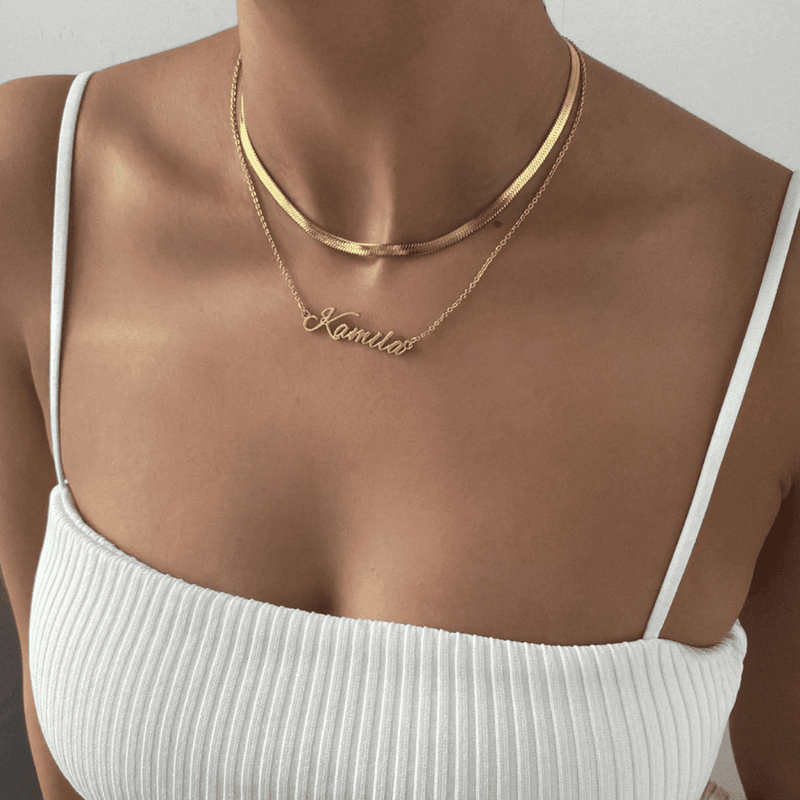
Golden Skin Herringbone Necklace
The herringbone chain is the piece that proves 18k gold plating can look just as luxurious as solid gold. Flat, fluid, and impossibly smooth against the skin.
A layering essential that pairs beautifully with pendants and chokers alike.
From £39.99
View NecklaceHow to Care for Your Gold Plated Jewellery
Good news first: if your jewellery uses PVD coating on stainless steel, the care routine is refreshingly simple. You do not need special cloths, professional cleaning, or obsessive storage rituals. But a few habits will keep your pieces looking their absolute best for as long as possible.
The daily habits that matter
Put jewellery on last. Apply perfume, body lotion, hairspray, and sunscreen before putting on your pieces. These products contain chemicals that can dull the gold surface over time, even on PVD-coated jewellery. Let everything absorb for a minute or two, then accessorise.
Rinse after swimming or heavy exercise. Chlorine, salt water, and concentrated sweat are not ideal for any jewellery. A quick rinse under lukewarm water and a gentle pat dry is all you need.
Store pieces separately. Gold-plated jewellery can scratch if pieces rub against each other. A simple soft pouch or divided jewellery box does the job. No need for anything fancy.
Cleaning your gold plated pieces
For routine cleaning, warm water and a tiny drop of mild soap work perfectly. Use a soft microfibre cloth to gently wipe the surface, rinse, and pat dry. That is genuinely all you need.
Avoid ultrasonic cleaners, abrasive cloths, toothpaste (yes, people still recommend this, and no, you should not do it), and harsh chemical jewellery dips. These strip the gold layer faster than normal wear ever would.
For earrings specifically, cleaning the posts regularly is good hygiene regardless of the metal. If you are looking for pieces that handle moisture particularly well, our roundup of earrings that do not tarnish is worth a read.

Heart Name Necklace
Combining 18k gold plating with personalisation. The heart silhouette adds a delicate romantic detail that works beautifully for everyday wear or gifting.
A stunning option for matching mum and daughter sets or birthday gifts.
From £58.95
View Necklace


Solid Gold vs Gold Plated: The Real Difference
This is probably the comparison you came here for, so let us be completely transparent about it. Solid gold and gold-plated jewellery serve different purposes, and neither is inherently "better." They are different tools for different situations.
| Factor | Solid 18k Gold | 18k Gold Plated (PVD) |
|---|---|---|
| Price range | £200 to £2,000+ for simple pieces | £20 to £80 for comparable designs |
| Durability | Lasts a lifetime, but scratches easily (gold is soft) | PVD coating is harder than gold itself, resists scratches well |
| Colour | Rich, warm gold | Identical to solid gold when well-made |
| Weight | Heavier (gold is a dense metal) | Lighter, more comfortable for extended wear |
| Resale value | Retains value based on gold price | Minimal resale value |
| Variety | Limited by cost; most people own 1 to 2 pieces | Affordable enough to build a full collection |
| Travel-friendly | Stressful to travel with expensive pieces | Wear without worry |
| Hypoallergenic | Generally yes | Yes, when base is surgical stainless steel |
Here is the thing that most jewellery articles will not tell you: solid gold scratches more easily than PVD-coated stainless steel. Gold is a soft metal. That beautiful solid gold ring will accumulate micro-scratches faster than a well-coated alternative. Obviously it will never lose its colour, and it holds monetary value, but the idea that solid gold is always "more durable" is misleading.
The smartest approach to jewellery is not choosing one over the other. It is knowing when each makes sense for your life.
For investment pieces you will pass down to future generations, solid gold makes sense. For the necklace you wear to the gym, the rings you stack every morning, and the earrings you sleep in, high-quality gold-plated pieces on stainless steel are the practical, beautiful choice.
And honestly? Most people cannot tell the difference. A well-made 18k gold plated piece and a solid 18k gold piece look identical to the naked eye. The colour is the same. The shine is the same. The compliments are definitely the same.

The Heartline Ring
Proof that affordable 18k gold plated jewellery can feel genuinely special. The Heartline features a delicate heart-shaped detail that adds personality to any ring stack.
Stacks perfectly with other bands. See our ring stacking guide for inspiration.
From £24.95
View Ring


Is 18k Gold Plated Jewellery Worth It?
Short answer: absolutely, as long as you buy from a brand that uses proper plating techniques and quality base metals.
The longer answer depends on what "worth it" means to you. If you are looking for a single piece to wear for 30 years without any maintenance, solid gold is your best bet. But for most people, here is the reality: we do not wear the same necklace for three decades. Styles change. Tastes evolve. We want variety.
18k gold plated jewellery gives you the freedom to build a proper collection. You can own a personalised name necklace for everyday, a herringbone chain for layering, statement earrings for evenings out, and stackable rings for fun, all for less than the cost of a single solid gold bangle.


Check the base metal. Surgical-grade stainless steel (316L) is the best option. It is hypoallergenic, corrosion-resistant, and provides an excellent surface for gold bonding. Avoid brass or copper bases unless you are buying costume jewellery you plan to wear occasionally.
Ask about the plating method. PVD coating is the premium choice. Standard electroplating is fine for mid-range pieces, but know that it will not last as long. If a brand does not specify their method, that is usually a red flag.
Look at the micron thickness. Anything under 1 micron is considered thin plating and will wear away relatively quickly. For daily wear, look for 2+ microns or PVD coating.
Read the reviews. Pay attention to what people say about the piece after 3, 6, and 12 months of wear. First impressions are nice, but longevity reviews tell the real story.
Check the guarantee. Reputable brands stand behind their plating. Look for tarnish-free guarantees or satisfaction promises that give you peace of mind.
One more thing worth mentioning: 18k gold plated jewellery is also a far more sustainable choice. Gold mining has significant environmental impacts, and using a thin gold layer rather than solid gold dramatically reduces the amount of mined gold needed per piece. If environmental considerations factor into your purchasing decisions, gold-plated jewellery aligns well with that mindset.


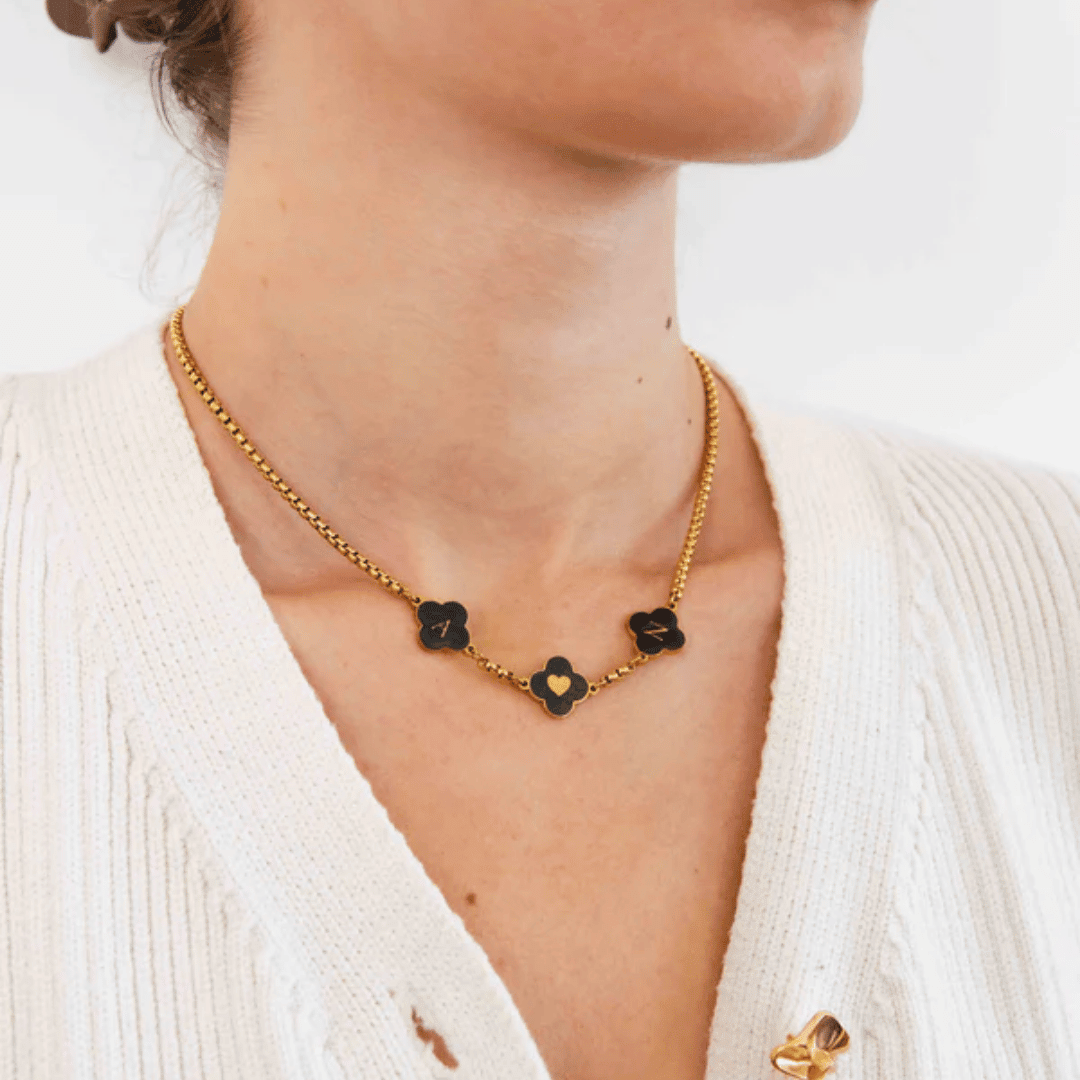
Initial Clover Bracelet
The combination of 18k gold plating with enamel detailing shows just how versatile modern plating techniques have become. A dainty personalised piece with serious visual impact.
Available with any initial. Makes a thoughtful birthday or milestone gift.
From £41.95
View Bracelet


How to Style 18k Gold Plated Jewellery
Gold-plated jewellery is incredibly versatile. The warm tone of 18k gold flatters virtually every skin tone, which is why it remains the most popular choice across all demographics. Here are a few styling principles that work particularly well.
Layering
Gold-plated necklaces are perfect for layering because you can invest in multiple chain lengths without spending a fortune. Start with a short choker or tight chain, add a mid-length pendant, and finish with a longer statement piece. The key is varying both the length and the texture. A herringbone chain with a delicate name necklace and a longer pendant chain creates beautiful depth. Our jewellery layering guide covers the specifics.
Mixing metals (yes, really)
The old rule about never mixing gold and silver is well and truly dead. Modern styling embraces mixed metals, and 18k gold plated pieces look stunning paired with silver or rose gold accents. The trick is being intentional rather than accidental: choose two metals and commit to them across your look.
Everyday vs evening
One of the best advantages of affordable gold-plated jewellery is that you can designate pieces for different occasions. Your everyday necklace can be simple and understated, while you keep bolder pieces for nights out. If you are looking for ideas on how to style a name necklace specifically, we have a dedicated guide for that.
The best jewellery collection is one you actually wear, not one that sits in a box because it cost too much to risk.

Eterna Roma Ring
Bold, sculptural, and unmistakably luxurious. The Eterna Roma proves that 18k gold plated jewellery can hold its own against fine jewellery when the design and craftsmanship are right.
A conversation-starting ring that layers well or commands attention on its own.
From £24.95
View Ring

Frequently Asked Questions
Straight answers to the questions we hear most about 18k gold plated jewellery.
Does 18k gold plated jewellery tarnish?
It depends on the plating quality and base metal. Traditional plating on brass or copper can tarnish over time, especially with exposure to moisture and chemicals. PVD-coated pieces on stainless steel are highly resistant to tarnishing and can last years without colour change. Proper care extends the lifespan of any gold-plated piece significantly.
Can you shower with 18k gold plated jewellery?
With PVD-coated stainless steel pieces, occasional showers are absolutely fine. The coating can handle water contact without issue. That said, regular exposure to shower products like shampoo, conditioner, and body wash can leave residue that dulls the finish over time. Rinsing and drying afterwards keeps things looking sharp. For the full breakdown, read our shower guide.
Is 18k gold plated jewellery hypoallergenic?
When the base metal is surgical-grade stainless steel (316L), yes. Stainless steel is one of the most hypoallergenic metals available. The gold coating adds an extra barrier between your skin and the base metal. People with nickel allergies should always check that the piece is nickel-free, as some cheaper plating processes use a nickel strike layer.
How can you tell if jewellery is really 18k gold plated?
Look for stamps or hallmarks that indicate "18k GP" (gold plated), "18k GEP" (gold electroplated), or "18k PVD." Reputable brands will clearly state their plating method and thickness on their product pages. If a piece is described simply as "gold-coloured" or "gold-tone," it may not be gold plated at all but simply painted or coated with a gold-coloured lacquer.
What is the difference between 18k gold plated and gold vermeil?
Gold vermeil (pronounced "ver-may") is a specific type of gold plating where the base metal must be sterling silver and the gold layer must be at least 2.5 microns thick. Standard 18k gold plated jewellery can use any base metal and any thickness. Vermeil tends to cost more because of the silver base, but it can also tarnish if the gold layer wears through, since silver oxidises. PVD coating on stainless steel often outlasts vermeil in real-world conditions.
Will 18k gold plated jewellery turn my skin green?
Not if the base metal is stainless steel. The green discolouration happens when copper in the base metal reacts with sweat and acids on your skin. Stainless steel does not contain enough copper to cause this reaction. If you have experienced green skin from gold-plated jewellery in the past, the culprit was almost certainly a brass or copper base, not the gold plating itself.
Find Your Perfect Gold Piece
Every Moonela piece is crafted with 18k PVD gold coating on surgical-grade stainless steel. Built to be worn every single day, not just on special occasions.
Browse the CollectionFree UK delivery · Tarnish-free guarantee · Easy returns