Stainless Steel vs Sterling Silver UK 2026: Which Wins?

Stainless Steel vs
Sterling Silver Jewellery
Yes, you can shower with stainless steel jewellery — it is highly water resistant and will not tarnish from daily wear. Sterling silver can also get wet, but tarnishes faster and requires more care. Here is how both metals really compare on durability, skin safety, and long-term value.
What Is Stainless Steel and Sterling Silver?
If you have ever stood in front of a jewellery display wondering about stainless steel vs sterling silver jewellery, you are not alone. Both metals look beautiful in person, both can be polished to a high shine, and both appear in everything from minimalist rings to bold statement necklaces. The difference is in what happens after you bring them home. How they hold up in the shower, at the gym, through a British winter, and over the years. That is what really matters, and that is exactly what this guide will help you figure out.
Sterling silver has been the darling of British jewellery boxes for centuries. It is an alloy made of 92.5% pure silver mixed with 7.5% copper (which is where the "925" hallmark comes from). The copper gives it enough strength to be shaped into rings, bracelets and chains without bending out of shape immediately. It has a warm, slightly soft lustre that photographs beautifully and feels genuinely precious on the skin.
Stainless steel is the newer player, but it has earned its reputation fast. It is an alloy of iron, chromium (usually at least 10.5%), and often nickel or molybdenum. The chromium creates a thin, invisible oxide layer on the surface that makes the metal highly resistant to rust, tarnish and corrosion. In the jewellery world, 316L surgical-grade stainless steel is the standard because it contains less carbon, resists body acids, and is safe for most people with metal sensitivities.
Both metals have their strengths. Sterling silver has heritage and a distinctive warm glow. Stainless steel has science-backed toughness and a price point that lets you build a collection without overthinking every purchase. The real question is not "which is better" in some absolute sense. It is which is better for you, for the way you live and the jewellery habits you actually have.
Let us get into the specifics.
Stainless Steel vs Sterling Silver: The Comparison
Before we dive into the detail, here is the full picture at a glance. This comparison table covers every factor that matters when choosing between stainless steel vs sterling silver jewellery for everyday wear.
| Factor | Stainless Steel (316L) | Sterling Silver (925) |
|---|---|---|
| Composition | Iron, chromium, nickel, molybdenum | 92.5% silver, 7.5% copper |
| Durability | Extremely hard; scratch-resistant | Softer metal; scratches more easily |
| Tarnish Resistance | Does not tarnish at all | Tarnishes over time; needs polishing |
| Waterproof | Yes, fully waterproof | No; water speeds up tarnishing |
| Sensitive Skin | Excellent; hypoallergenic (316L) | Generally safe, but copper can irritate some |
| Colour | Cool, bright silver tone | Warmer, slightly softer silver tone |
| Weight | Slightly heavier; solid feel | Lighter; delicate feel |
| Price Range | Lower; excellent value | Higher; precious metal pricing |
| Resale Value | Minimal | Some; silver has commodity value |
| Maintenance | Almost zero; wipe and go | Regular polishing and proper storage needed |
| Ideal For | Daily wear, active lifestyles, building a collection | Special occasions, heirloom pieces, classic style |
That table tells the story in broad strokes, but the details are where it really gets interesting. Let us break each factor down so you know exactly what to expect from both metals in real life.
Durability and Everyday Wear
This is where the gap between the two metals is the most obvious. If you are somebody who puts jewellery on in the morning and does not think about it again until bed, durability should be at the top of your list.
Stainless steel is significantly harder than sterling silver. On the Mohs hardness scale (which measures scratch resistance), 316L stainless steel sits around 5.5 to 6.5, while sterling silver comes in at roughly 2.5 to 3. In plain terms, that means your stainless steel ring can handle being knocked against door handles, kitchen worktops and gym equipment without picking up visible scratches. A sterling silver ring in the same situation would start showing wear within weeks.
Stainless steel also does not bend easily. Sterling silver is a softer metal, so thinner pieces like delicate chains or slim bangles can warp if you are not careful. It is not fragile by any means, but it does reward a gentler touch.


Stainless steel is the metal that keeps up with your life. Sterling silver is the metal you slow down for.
And then there is tarnish. Sterling silver reacts with sulphur compounds in the air, in your skin's oils, and in everyday products like perfume and hand cream. Over time, it develops a dark patina. Some people love that vintage look, but most want their silver to stay bright, and that means regular polishing. Stainless steel? It simply does not tarnish. Not ever. You could leave a stainless steel necklace on your bathroom shelf for a year and it would look exactly the same as the day you bought it.
For more on keeping stainless steel looking fresh (even though it barely needs it), see our guide on how to clean stainless steel jewellery.

The Dome Ring
A chunky, sculptural dome ring that proves stainless steel can look just as luxurious as precious metals. This ring handles daily wear without a single scratch or mark.

Sensitive Skin and Metal Allergies
If you have ever had a ring leave a green mark on your finger or an earring make your lobes itch, you already know that not every metal plays nicely with skin. This is one of the most common reasons people start researching stainless steel vs sterling silver jewellery in the first place.
316L stainless steel is classified as hypoallergenic. Even though it contains a small amount of nickel, the chromium oxide layer locks that nickel in so tightly that it cannot leach out onto your skin. That is why it is the same grade used in surgical implants, body piercings and medical instruments. If a hip replacement can sit inside your body for decades, a necklace is not going to cause problems on the outside.
Sterling silver is generally well-tolerated, but it is not completely risk-free. The 7.5% copper content can react with sweat and body chemistry, occasionally causing a green discolouration on the skin. It is harmless and washes off, but it can be annoying, especially if you are paying premium prices for a piece you expect to look perfect all day.
Some sterling silver jewellery is also rhodium-plated to prevent tarnishing and add a brighter finish. Rhodium is hypoallergenic, so plated pieces tend to be kinder on sensitive skin. The catch is that rhodium plating wears off over time, and replating adds cost.
For a deeper look at jewellery that stays comfortable around the clock, check our guide to earrings that do not tarnish.
Look, Colour and Styling Differences
Side by side, stainless steel and sterling silver look similar at first glance. Both are silver-toned. Both take a high polish beautifully. But there are subtle differences that matter, especially when you start layering pieces or mixing metals.
Sterling silver has a warmer, slightly softer tone. It reflects light in a way that feels almost creamy. That warmth is part of why silver has been treasured for centuries. It looks particularly stunning in classic, intricate designs like filigree pendants, vintage-style rings and heirloom brooches.
Stainless steel has a cooler, brighter finish. It is more mirror-like, with a crispness that lends itself to modern, minimalist and architectural designs. Think clean lines, smooth curves and bold silhouettes. It also comes in a wider range of finishes now, including brushed, matte and polished, giving designers more to work with.


And here is something that rarely gets mentioned: stainless steel holds PVD gold and rose gold finishes far better than sterling silver holds traditional gold plating. That means your gold-tone stainless steel pieces will stay golden for years, while gold-plated silver can start showing through within months of regular wear. If you want the gold look without the gold price, stainless steel with PVD coating is the smartest route. Our guide to PVD vs gold plated jewellery explains exactly why.
Sterling silver whispers. Stainless steel speaks clearly. Both have something worth hearing.
When it comes to layering, both metals work well on their own. But stainless steel is easier to mix because its consistent colour does not shift over time. Sterling silver can develop uneven tones if some pieces tarnish more than others, which can make a carefully curated layered look start to feel a bit mismatched. For tips on getting the layered look right, see our guide to layering necklaces.

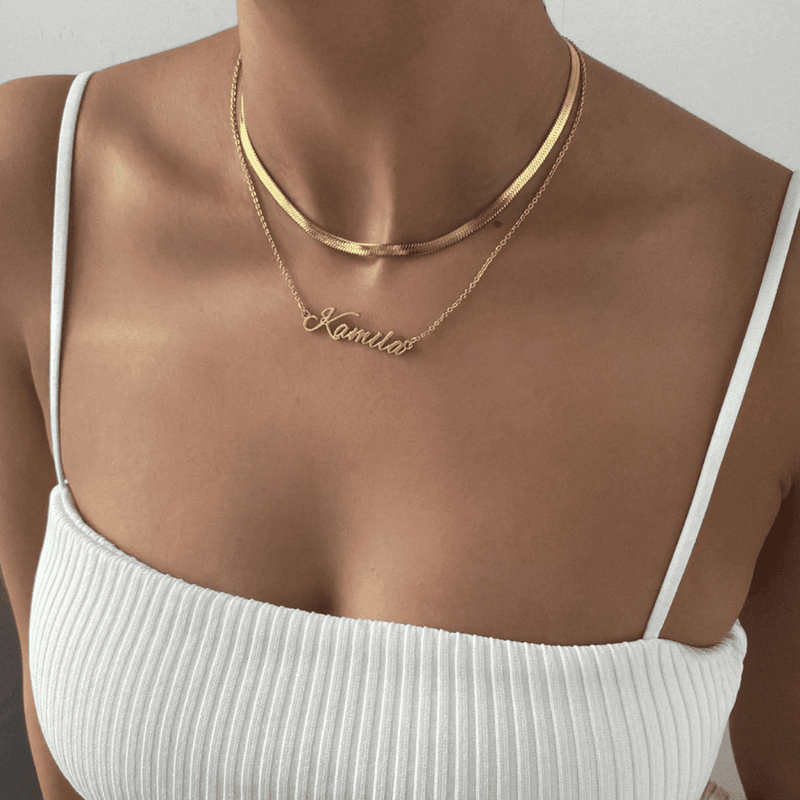
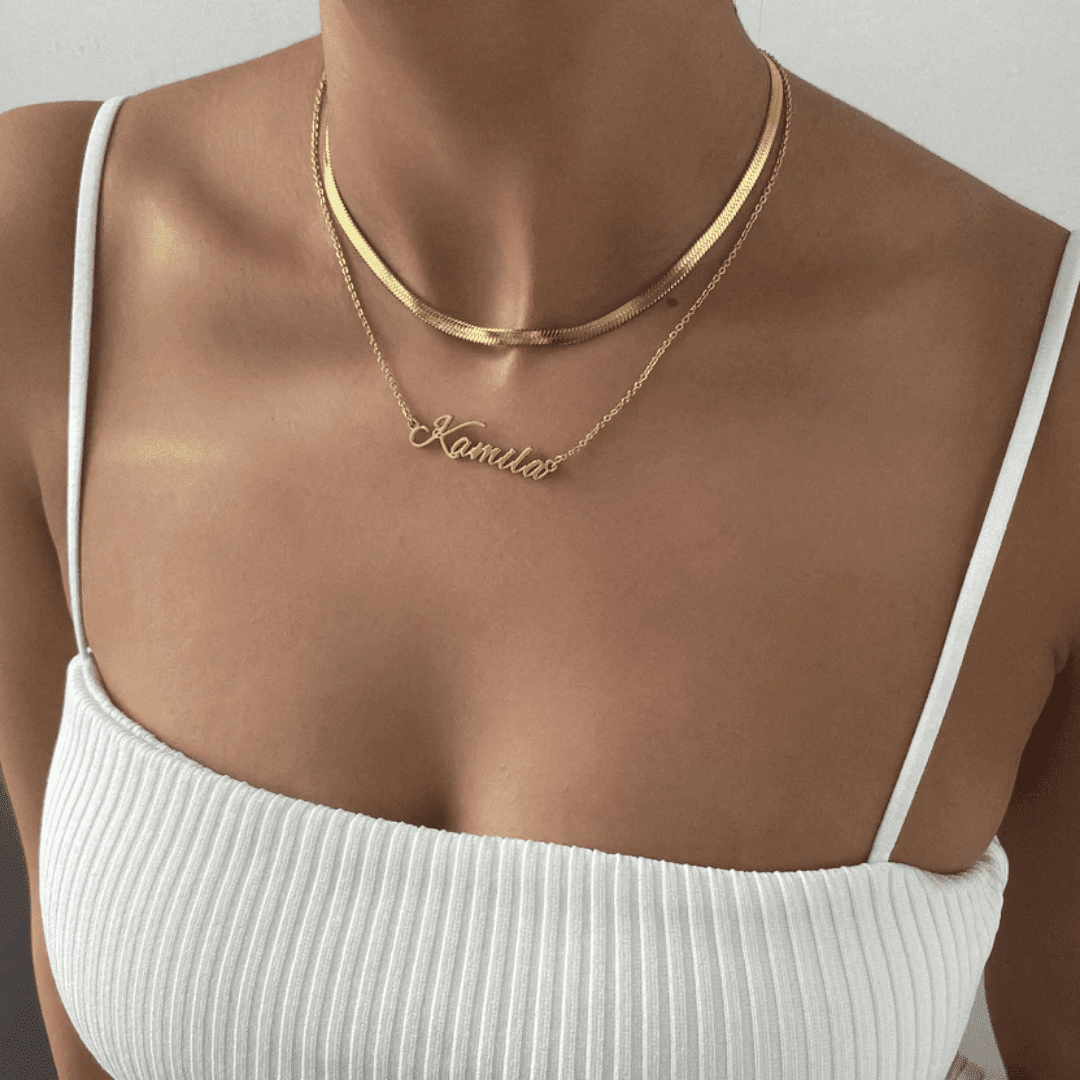
Astrid Name Necklace
A personalised name necklace that holds its PVD gold finish beautifully because it is built on a stainless steel base. The kind of piece that looks custom without the fragile upkeep of plated silver.


Price and Value for Money
Let us talk numbers, because this is where a lot of buying decisions are really made.
Sterling silver is a precious metal. Its price is tied to the global silver commodity market, which means it fluctuates. A simple sterling silver ring might cost anywhere from 30 to well over 100 pounds, depending on the brand and the weight of silver used. You are paying for material value, which also means sterling silver jewellery holds some resale value if you ever decide to let a piece go.
Stainless steel is an industrial metal that happens to be brilliant for jewellery. The raw material cost is a fraction of silver's, which means the price you pay is almost entirely for design, craftsmanship and finish. A beautifully designed stainless steel ring might cost 15 to 35 pounds, and a PVD gold necklace could be 25 to 60 pounds. You are getting a premium look and feel at a price that lets you actually enjoy building a collection.
There is also the hidden cost factor. Sterling silver needs regular polishing, occasional professional cleaning, and careful storage (anti-tarnish bags or cloths). Over a few years, those small costs and that time add up. Stainless steel needs essentially nothing. Put it on, live your life, rinse it under the tap now and then. Done.
That said, if you value the idea of precious metal and the tradition that comes with sterling silver, that intangible feeling of wearing "real silver" is worth something too. Not everything has to be a purely practical decision.

Nala Pearl Earrings
Freshwater pearls on a stainless steel base. These earrings combine classic elegance with the kind of toughness that means you never need to take them off.


Caring for Each Metal
How much effort are you willing to put into keeping your jewellery looking its best? The answer to that question might make your decision for you.
Stainless steel is about as close to "maintenance-free" as jewellery gets. Here is the full care routine: wipe it with a soft cloth occasionally. That is it. You can shower with it, swim in it, sweat in it, sleep in it. It will not tarnish, corrode, rust or discolour. If you want to give it a deeper clean, warm water with a tiny drop of washing-up liquid and a soft toothbrush will have it looking brand new in about thirty seconds.


PVD-coated stainless steel is equally low-maintenance. The PVD layer is bonded at a molecular level, so it does not chip or flake like traditional plating. Just avoid abrasive cleaners or scouring pads and you are golden (literally, if it is a gold PVD piece). We cover this in more detail in our waterproof jewellery care guide.
Sterling silver needs more attention. Here is the honest version of what ownership looks like:
Low-maintenance jewellery is not about being lazy. It is about spending your energy on living, not polishing.


The Aurora Cuff
A bold, sculptural cuff that sits beautifully on the wrist. Built on stainless steel with a PVD gold finish that does not chip, fade or tarnish over time.


Which Should You Choose?
After everything we have covered, here is the honest take.
Choose stainless steel if: you want jewellery you can wear every single day without thinking about it. If you have sensitive skin, an active lifestyle, or a budget that means you would rather own five beautiful pieces than one expensive one. If you love layering and want every piece to look consistent over time. If you cannot be bothered with polishing and storage rituals. Stainless steel is modern, practical and genuinely beautiful. There is nothing "cheap" about it.
Choose sterling silver if: you value tradition, heritage and the knowledge that you are wearing a precious metal. If you are buying an heirloom piece, a significant gift or something for a very special occasion. If you enjoy the ritual of caring for your jewellery and appreciate the way silver develops character over time. Sterling silver has a warmth and weight of history that no other metal can replicate.
Or choose both. There is no rule that says you have to pick one metal and commit to it forever. Many people wear stainless steel for daily life and bring out sterling silver for evenings out, special events and occasions that call for something with a little extra meaning. For guidance on what works best as your everyday metal, read our guide to the best metal for everyday jewellery.
If you are leaning towards stainless steel, our collections are built entirely around this metal. Browse our name necklace guide for personalised options, or explore our ring stacking guide to see how versatile these pieces really are.
Stainless Steel vs Sterling Silver FAQ
Is stainless steel jewellery better than sterling silver?
For everyday wear, yes. Stainless steel is harder, does not tarnish, is waterproof and costs less. Sterling silver has the advantage of being a precious metal with resale value and a slightly warmer tone. "Better" depends on what matters most to you, but for practical daily jewellery, stainless steel wins.
Does stainless steel jewellery turn your skin green?
No. 316L surgical-grade stainless steel does not react with your skin. The green discolouration you sometimes see with cheaper jewellery comes from copper content, which is present in sterling silver but not in surgical steel. Stainless steel is one of the safest metals for sensitive skin.
Can you shower with stainless steel jewellery?
Yes. Stainless steel is fully waterproof and will not tarnish, rust or corrode from water exposure. You can shower, swim and exercise without removing it. Sterling silver should be removed before showering because water and soap accelerate tarnishing.
Does sterling silver last longer than stainless steel?
Sterling silver can last a lifetime with proper care, but it requires regular polishing and careful storage. Stainless steel also lasts a lifetime but with virtually zero maintenance. In terms of how long each metal looks good without intervention, stainless steel wins by a wide margin.
Is stainless steel jewellery worth buying?
Absolutely. Modern stainless steel jewellery, especially pieces with PVD gold or rose gold finishes, looks indistinguishable from far more expensive metals. It is durable, hypoallergenic and affordable. The only downside is that it does not carry the "precious metal" label, but if that distinction does not matter to you, stainless steel offers exceptional value.
Can you tell the difference between stainless steel and sterling silver?
Side by side, yes. Sterling silver has a slightly warmer, softer tone while stainless steel is cooler and more mirror-like. Sterling silver is also lighter in weight. But wearing one or the other in isolation, most people would not be able to tell which metal you are wearing just by looking.
Find Your Perfect Metal
Our entire collection is built on 316L surgical-grade stainless steel with PVD finishes that last. Waterproof, tarnish-free and designed for real life.
Browse the CollectionFree UK delivery · 30-day returns · Learn about our finishes